Communication
“I Don’t Care”: When Caring Hurts
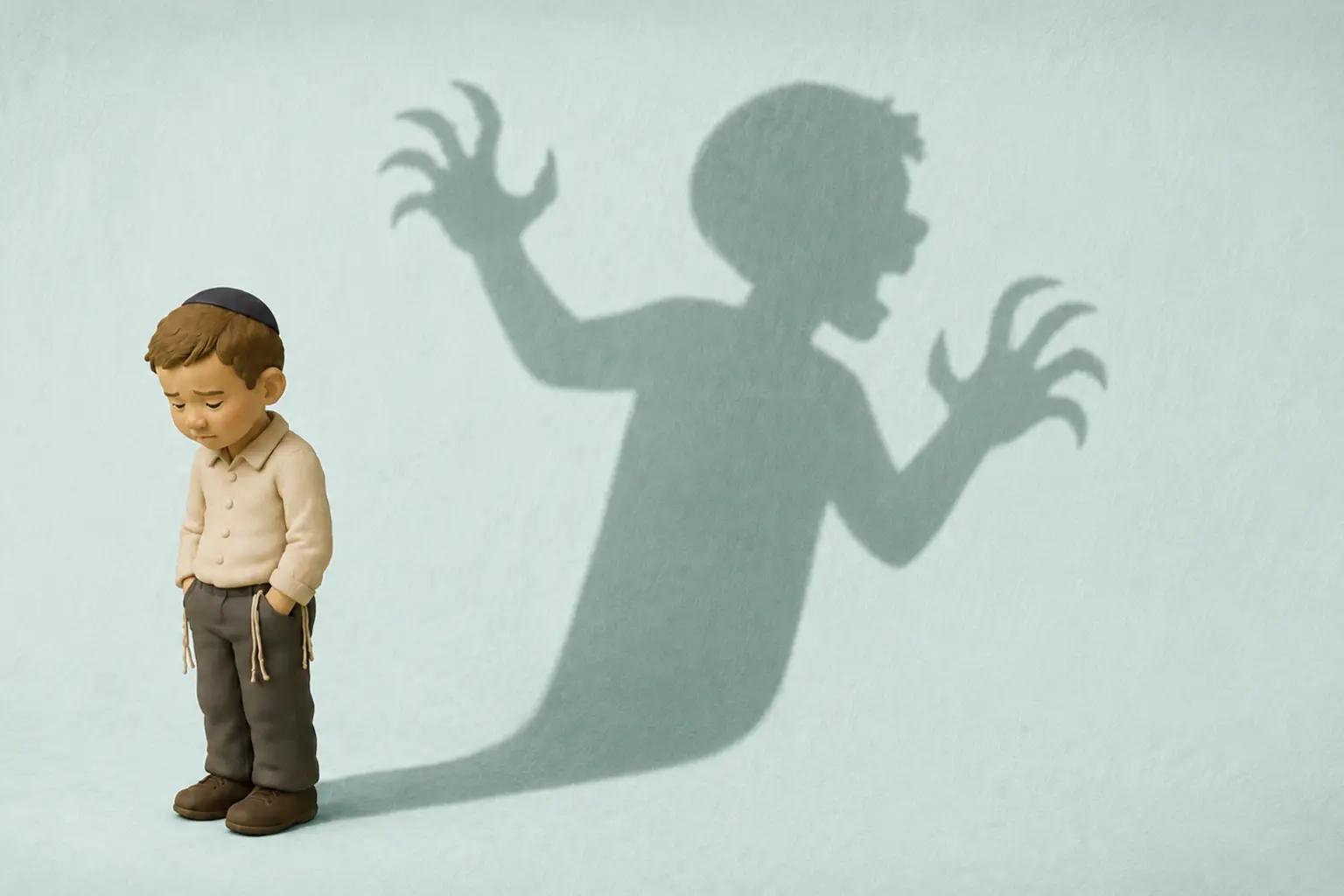
“I don’t care” can hide how badly he wanted to be included. The dismissal may be the only part of his hurt we hear.

Imagine your son finds out his friends got together without him.
“I don’t care. They’re annoying anyway.”
You hear him dismiss the friendship. What you may not hear is how badly he wanted to be included.
Saying “I wanted them to invite me” would mean admitting that he was waiting. That these boys mattered to him. That he wanted a place with people who did not make a place for him.
That can feel humiliating.
What the dismissal protects
“I don’t care” gives him a different position: he can act as though he never wanted what he did not get. For a moment, rejection feels more like his own choice.
He may even want to believe it himself. Caring means feeling the distance between what he hoped for and what actually happened. Dismissing the whole thing can feel easier than sitting with that disappointment.
But the protection has a cost. When everyone believes that nothing mattered, the hurt can go unnoticed. He may be left alone with the very feeling he could not bear to show.
Hear what he may be communicating
Sometimes he truly does not care. The words alone cannot tell you. Look at the moment around them: what he had been hoping for, when his tone changed, what he suddenly stopped talking about.
His words may be pushing the friendship away while the rest of him is still wishing he belonged.
Underneath “I don’t care” may be something much harder to say: “I wanted to matter to them. It hurts that I didn’t.”
If we hear only the dismissal, we can miss the child trying to tell us how much it mattered.