Communication
Before the Hurt Speaks for Him
Children need practice saying when something hurt and hearing it from someone else. A parent’s response can model listening, apology, and repair.
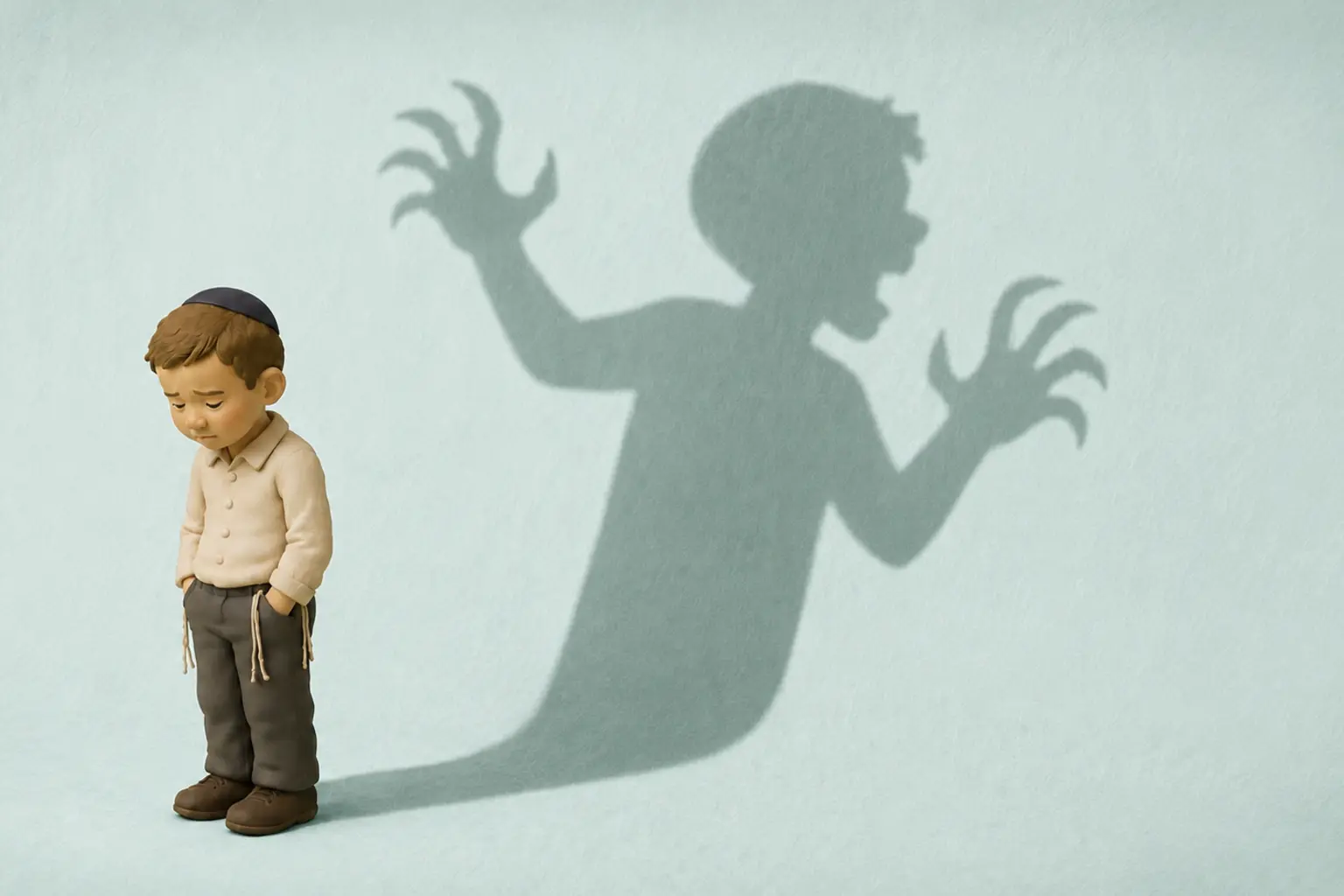
One day, your child may need to look at his spouse and say, “That hurt me.”
He will need to say it without attacking, exaggerating, shutting down, or pretending he does not care. He will also need to hear those words from someone he loves without immediately defending himself.
These skills take practice. Childhood conversations give him a place to begin learning both how to say that he was hurt and how to respond when someone else was hurt.
Close relationships will include hurt
Even caring people interrupt, misunderstand, forget, joke at the wrong moment, speak too sharply, or miss something important. Good intentions do not prevent every hurt feeling.
The goal of a close relationship cannot be that no one ever gets hurt. The goal is that hurt can be spoken, understood, and repaired.
That requires vulnerability. A person has to be able to say, “What happened affected me,” without turning the conversation into an attack. The other person has to be able to hear it without treating the hurt as an accusation that must be defeated.
Those are learned skills.
What cannot be said does not disappear
When a child does not feel able to say what hurt, the feeling often looks for another exit.
It may come out as anger over something small, sarcasm, an “I don’t know” delivered with attitude, cold silence, defensiveness, refusal, or behavior that seems unrelated to what happened.
That does not mean every difficult behavior is hiding hurt. But when a reaction seems larger, stronger, or more persistent than the situation in front of you, it is worth wondering whether something important felt too risky to say directly.
The hurt is still communicating. It is simply doing it without clear words.
Vulnerability is more than naming a feeling
Saying “I am angry” can be useful, but vulnerability usually goes one step deeper.
It sounds more like:
“I felt unimportant when you kept speaking over me.”
“I thought you were disappointed in me.”
“That joke made me feel small in front of everyone.”
“I wanted you to notice that I was struggling.”
These statements expose something tender. The child risks being corrected, laughed at, dismissed, or told that he misunderstood.
That is why having the vocabulary is not enough. He also needs to believe that the relationship can hold what he says.
Your response becomes part of the lesson
Imagine your child says, “You embarrassed me.”
The immediate response may be:
“I was only joking.”
“You are being too sensitive.”
“That is not what happened.”
“After everything I do for you, this is what you focus on?”
The parent may have a reasonable explanation. The child may even have misunderstood part of the situation. But if every vulnerable statement is met first with a defense, the lesson becomes clear: telling the truth about hurt is dangerous.
Listening first does not mean agreeing with every detail. It means making room for the experience before debating the facts.
You can say, “I remember it differently, but I can see that it hurt. Help me understand which part felt embarrassing.”
You can set limits on disrespectful speech while still staying curious about the message beneath it.
Safety does not mean that every version of the story is accepted as fact. It means the relationship can survive an honest conversation.
Vulnerability cannot be forced
Repeatedly asking, “What is wrong?” can make a child feel cornered rather than safe. A child may not have the words yet. He may need time to understand what happened inside him. He may also be watching to see whether you are calm enough to hear the answer.
Instead of demanding disclosure, open the door:
“I can tell something landed badly. If you want to tell me what hurt, I will listen.”
Then give him some room. You can return to the conversation later.
The goal is not to force a deep conversation on command. The goal is to make honesty possible when he is ready.
What a safer conversation can sound like
Suppose a parent tells a funny story about his child in front of relatives. Later, the child says, “Why do you always embarrass me?”
The word “always” may not be accurate. But correcting that word first will probably end the useful part of the conversation.
The parent can begin with:
“I can see that the story embarrassed you. I’m sorry I shared it without thinking about how it would feel for you. What part felt worst?”
The child might answer, “Everyone laughed, and I did not want them to know that.”
Now the real issue is visible.
The parent can say, “I understand. I should not have shared that without checking with you. I am sorry.”
That conversation teaches far more than the word “sorry.” It teaches the child that hurt can be spoken without destroying the relationship. It teaches him that vulnerability can lead to understanding instead of humiliation.
Teach both sides of the conversation
Your child needs to learn how to express hurt, but he also needs to learn how to receive it.
You can model that when you make a mistake:
“I yelled at you before. I was stressed, but that was still my responsibility. You did not deserve that tone.”
You can also model clean honesty when he hurts you:
“When you spoke to me that way, I felt dismissed. I want to hear what upset you, but we need to speak respectfully.”
This shows him that vulnerability is not weakness and it is not permission to attack. It is a way to bring the real problem into the conversation so that repair becomes possible.
What he learns from your response
When your child tells you that you hurt him, he is also watching what receiving hurt looks like. Can you listen, own your part, and change something without requiring him to take care of your embarrassment?
If you apologize for interrupting, let him finish the sentence. If you promise to discuss something privately, follow through next time. Those small actions show him what an apology asks of a person after the words have been said.
For the next real moment
If this comes up today
The next time your child says that something hurt him, pause before explaining your intention. Begin with, “Tell me what hurt. I want to understand.”