Regulation
Children Learn Regulation by Watching Us
Kids learn emotional regulation by watching how adults handle stress and mistakes in real moments, not from lectures or rules.
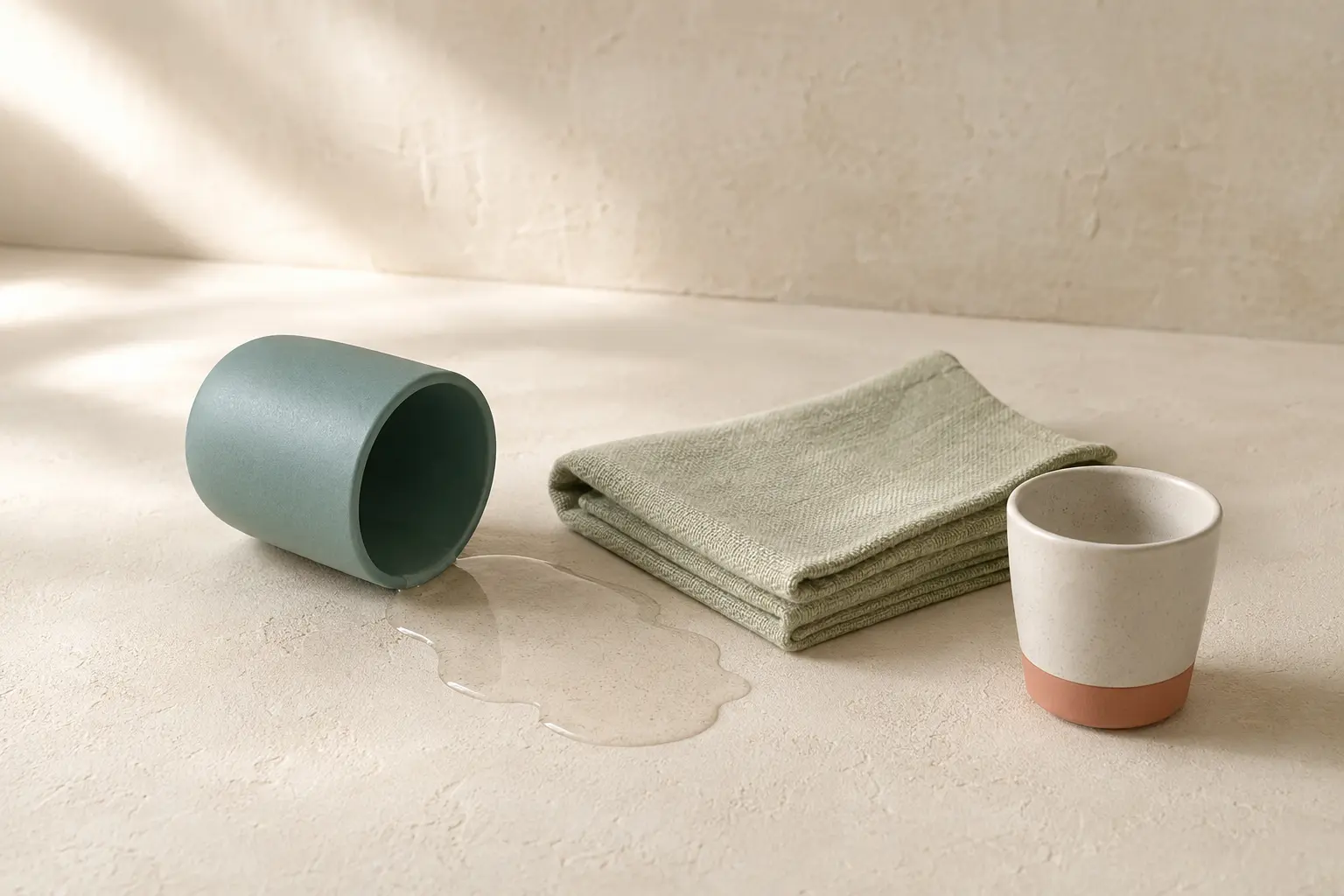
Children learn emotional regulation while watching adults have real emotions.
They notice what happens when the coffee spills, the plan changes, someone speaks disrespectfully, or the day becomes too much. They are learning from our voices, bodies, pauses, and repairs even when we are not teaching a lesson.
Regulation is not always calm
Regulation does not mean never raising your voice, never feeling overwhelmed, or handling every moment perfectly. It means noticing what is happening and choosing a response that protects safety and connection.
A child learns something powerful when an adult says:
“I’m getting frustrated. I’m going to slow down before I answer.”
“I spoke too sharply. That was not okay, and I’m going to try again.”
“I need a short break. I will come back.”
The child sees that emotion can be felt without running the whole interaction.
What children absorb
If adults hide every feeling and only discuss regulation after a child loses control, emotional skills can sound like rules for children rather than human skills for everyone.
Young children learn through co regulation: an adult’s steady presence helps their body settle. Older children and teenagers still learn from how adults handle disappointment, conflict, and repair. They may not copy the lesson immediately, but the pattern becomes familiar.
This does not mean a parent causes every regulation difficulty. Temperament, development, stress, sensory needs, and many other factors matter. Modeling is one influence, not the whole explanation.
Make the invisible process visible
Briefly name what you are doing:
“My thoughts are moving fast, so I’m writing down the next two steps.”
“I want to solve this now, but first I’m listening.”
“I’m still angry, and I can speak respectfully.”
Avoid making the child responsible for calming you. The point is to show a process, not place adult feelings on his shoulders.
Children do not need perfect adults. They need adults who can notice, repair, and return.
The next hard moment is not only a test of regulation. It is a chance to show what regulation looks like in real life. Ask: What will my child see me do with this feeling?